



According to The Wall Street Journal, Ali Danial Hemani from Texas was charged for illegally owning a firearm while being a marijuana user. A federal law from 1968 doesn’t allow for illegal drug users to own a gun.
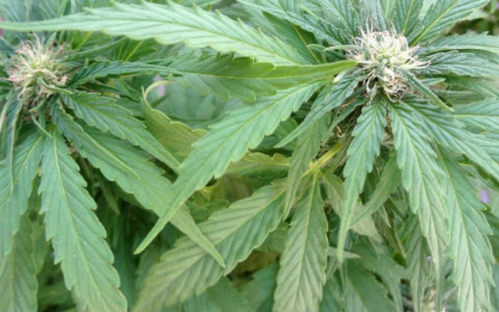 Hemani was not charged with any other crime or accused of using the gun while under the drug’s influence, reports Associated Press. He argued that a law barring guns from anyone who regularly uses illegal drugs violates the Second Amendment.
The Supreme Court ruled in favor of Hemani, making the case one of several that has recently expanded gun rights. The law is not completely gone as it can still convict addicted drug users and those carrying a gun while intoxicated.
Hemani said through his attorney that he is thankful to have "closure."
American Civil Liberties Union and National Rifle Association were surprisingly on the same side regarding the case, wanting Hemani to win. Meanwhile, the current Republican administration, that is normally in favor of gun rights, argued against it in this case.
Critics have posed concerns that this adds to a trend of loosening laws about marijuana and other controlled substances, thus making it easier to consume them instead of making access more difficult.

Gerard Filitti, attorney at The Lawfare Project, acknowledged that issue in an interview on AFR’s “Jenna Ellis in the Morning,” but still said the decision was correct and in-line with the Supreme Court's analysis of the Second Amendment.
"What the Supreme Court did was it really narrowed the statute, it narrowed the law. It didn't strike it down entirely. So, there is still room for prosecuting people who are intoxicated while they're possessing a gun or while they're high while possessing a gun,” says Filitti. “Bluntly speaking, that's still something that can happen. But otherwise, disarming an entire class automatically by the statute, the court found that problematic and unconstitutional."
Many states now allow for recreational marijuana use. However, it is still illegal at the federal level.