


According to an analysis by The Washington Post, the average EV truck is costing USPS $80,000. That is compared to gas-powered trucks, which USPS has also been acquiring, at $55,000.
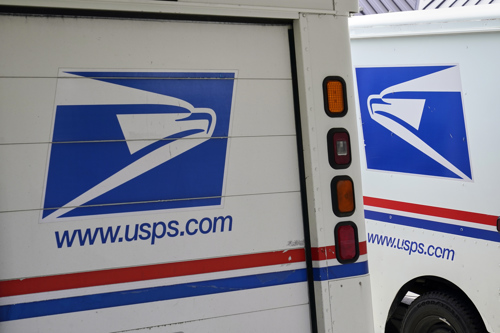 USPS posted on Link, a daily news website for USPS workers, that there are over 35,000 new vehicles currently in use. It cost the institution over $9.5 billion to upgrade their delivery fleet, and the plan is to have 106,000 new vehicles in use by 2028.
The new vehicles are supposed to boost environmental and operating efficiency because of its increased cargo capacity which will allow more packages to be carried during trips. The Drive reported that the USPS is trying for a rough split of 30/70 between gas-powered and battery-powered vans.
Ross Marchand is a senior fellow at Taxpayers Protection Alliance. He brought attention to the issue by posting on X a regular reminder on what the taxpayers are paying for this.
“Clearly, there is a significant price difference, and that price difference is falling squarely on taxpayers and customers," states Marchand.

Marchand added that USPS has been losing money.
"We just found out that in fiscal year 2025, the postal service lost $9 billion, and in 2024, they lost $9.5 billion," reports Marchand. "Over the past 15 years, they've lost about $100 billion, and how are they responding to this fiscal crisis? By buying $80,000 trucks. Make it make sense."
The electric vehicles will go a certain distance between charges and not require oil and gas, but when asked about that, Marchand said that it is still not cost effective.
"There have been plenty of studies put out comparing them, and look, maybe it makes sense to have an EV in certain situations, especially for shorter distances traveled, but some of these postal service routes are long, and it really causes problems when you're looking at putting thousands of EVs on the road," informs Marchand.