


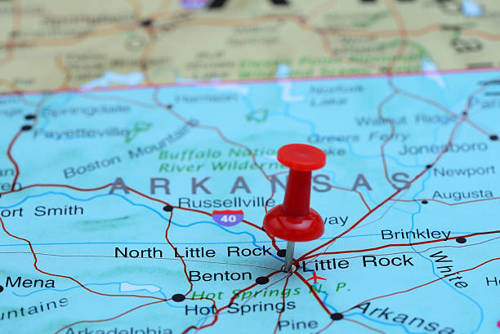
KARK, a Little Rock, Arkansas, television station affiliated with NBC, reported that in the past couple of days, online debate has ensued because of a dashcam video from an Arkansas State Police (ASP) trooper.
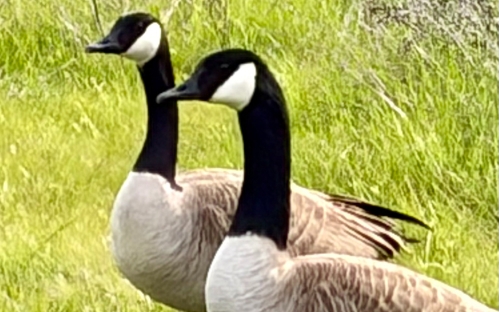
The 17-minute long video shows the trooper following the herd of geese on the highway, trying to avoid causing an accident. The video also shows a long concrete barrier encasing the highway, which prevented the geese and the baby goslings from being safely herded off the road.
The trooper was able to contact an Arkansas Game and Fish warden, their radio interaction captured in the video. He asked for suggestions, but the solution given was to put them down.
Trooper: "What do you — because they’re going to be a traffic hazard for sure."
Warden: "Somebody’s going to end up smoking them. Then that will be a problem solver."
Trooper: "Or somebody’s car is going to end up getting smoked."
Warden: "And then somebody's going to wreck, trying to avoid a duck they should’ve just hit."
Trooper: "Right, exactly."
Moments later, the officer hit the two geese and their goslings, quickly sparking controversy online.
ASP head and cabinet secretary Colonel Mike Hagar issued a strongly worded statement, sighting another similar incident where it is believed a family was killed in the state for stopping in the middle of Interstate 40. Hagar defended the trooper, saying that he “tried his best” and “exhausted his known options.”
"Life isn't always fair, and it isn't always pretty. The real world doesn't always come with a storybook ending. We will proudly choose human life over water fowl," said Hagar.
The U.S. Department of Transportation reports that Congress has found that over a million wildlife vehicle collisions (WVCs) happen annually. The result is over tens of thousands of injuries, hundreds of casualties and over $8 billion in costs.