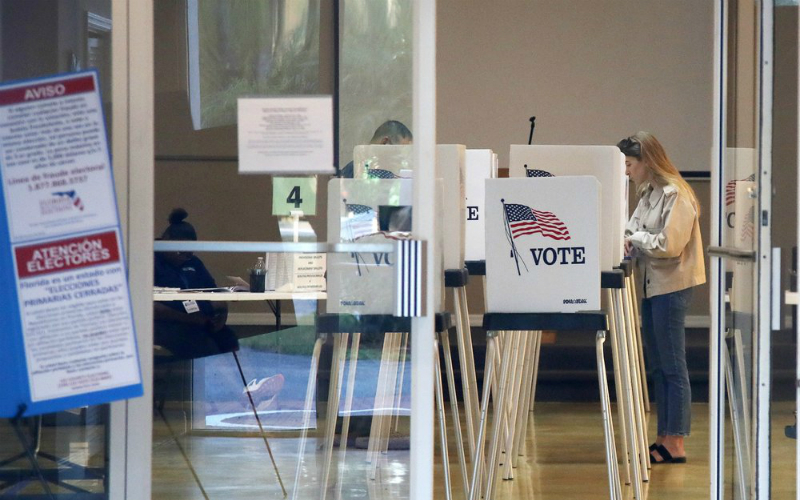



Key impacts of the new policy include expanded medical research with fewer federal restrictions and a boost for medical cannabis businesses who can now gain access to federal tax deductions previously denied.
President Donald Trump first ordered federal agencies to begin reclassifying marijuana last December. This week the Department of Justice followed through on that order.
The decision comes on the heels of Trump’s executive order last weekend which accelerated research, approval and access to psychedelic drugs like psilocybin, MDMA, LSD and ibogaine.
The EO was framed primarily as a response to mental health issues like PTSD, depression and addiction.
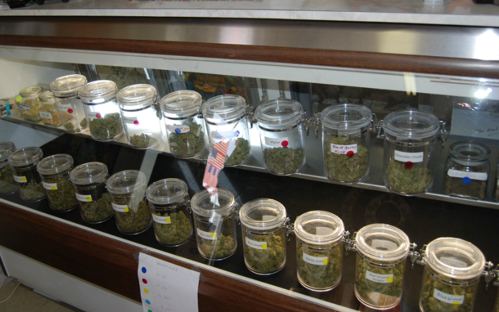 The moves did not legalize recreational use of their drug but taken together signal a broader administration philosophy of speeding toward breakthrough treatments, even if controversial.
Like the psychedelics EO, the marijuana move has its critics.
“The path that this is putting us on is troubling. We don't have to wonder what's at the end of this path,” J.P. Duffy, vice president of communications at Family Research Council, said on “Washington Watch” Thursday. “We can look at the experiment in Colorado over the last 12 years where there’s been a near-doubling in suicides among adolescents.”
Increased cases of paranoia and emergency room visits are also troubling, he said.
Colorado legalized medicinal marijuana in 2000 before legalizing recreational marijuana in 2012 with sales beginning in 2014.
Data shows the percentage of suicide incidents with positive marijuana tests increased from 14% in 2013 to 29% in 2020.
Nationwide, research shows a correlation between legalization of marijuana and increases suicides among teens, particularly girls.
“A study out just last month found that, as you mentioned, marijuana use at a young age will double the chances of schizophrenia, whether it be bipolar, depression, anxiety, all of these things. And then also very alarming, out of the road deaths in Colorado, about a quarter of those involve marijuana in some way,” Duffy told show host Tony Perkins.
Currently, the legality of marijuana varies by state.
Only three states — Idaho, Kansas and Nebraska— have no form of legalized marijuana. Though Nebraska no legal marijuana it’s unlikely to enforce laws on the books depending on the amount in question.
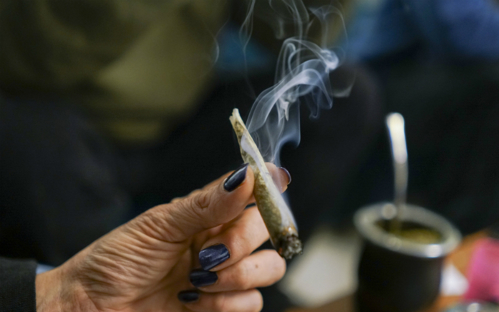 Twenty-four states and Washington, D.C., have legalized recreational use for adults. An additional 13 states have comprehensive medical marijuana programs but have not legalized it for recreational use.
“I think we’re seeing sort of the bearing of fruit of something of a different type of the (political) Right that has finally gotten more power in the party. The president, I think, is not particularly ideological on many issues,” Casey Harper, managing editor for broadcast of The Washington Stand, told Perkins.
Harper noted that well-known podcaster Joe Rogan attending Trump’s signing of the psychedelics executive order.
“He’s a big advocate for this, and many people credit Joe Rogan with helping propel the president,” Harper said.