

The board held interest rates steady. Having entered the meeting with growing confidence in rate cuts around the corner, members were less certain and more cautious.
The minutes suggested division with most members wanting more clarity on economic conditions before acting.
With the conflict moving in real time, including a ceasefire, albeit a shaky one, it’s difficult to predict the board’s next steps from a weeks-old summary of responses, financial expert David Bahnsen, CEO of The Bahnsen Group, said on “Washington Watch” Wednesday.
Discussions between the U.S. and Iran are currently scheduled for Friday in Islamabad, Pakistan, under Pakistani mediation.
 “The ceasefire itself comes with a lot of questions like what the sustainability will be,” he told show host Tony Perkins. “Even if the entire military operation comes to an end, where will oil prices end up settling? Things are moving influx. There’s more data that has come in and will come in before the Fed has to act.”
The inflation concerns are not surprising given the rise in energy costs, Bahnsen said.
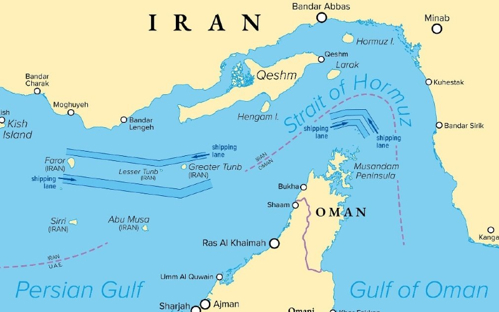
The biggest immediate economic risk identified was rising energy prices, driven by disruptions tied to Iran and the Strait of Hormuz.
Officials expressed concern that higher oil prices would feed into broader inflation and that costs would increase more than just at the gas pump.
Current mortgage rates vary slightly across sources, ranging from 6.35% to 6.50%, depending on the data provider and loan type (purchase vs. refinance).
The rate has risen slightly compared to earlier in the week, reflecting ongoing economic concerns and Federal Reserve policy expectations.
The energy prices could keep inflation higher for longer which encourage rate hikes, or a prolonged war could reduce consumer spending, business confidence and slow hiring, which would encourage rate cuts.
Oil prices dropped on Wednesday after the announcement of the ceasefire.
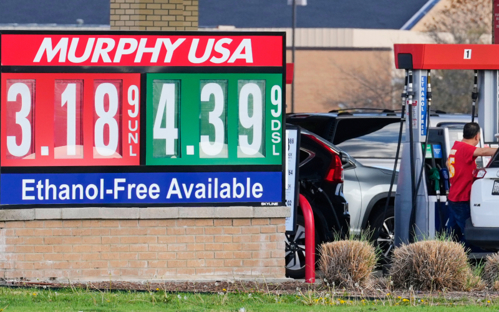 “But they are still $30 a barrel, higher than they were about two months ago. So, there is still a lot of room to go until we get back to something that could resemble normalization,” Bahnsen said.
The Fed has to strike a balance within a congressional mandate that requires it to consider stability of prices and also employment.
“It’s a very tricky tension for them to hold,” Bahnsen said.
At the moment, jobs data is more concerning than the impact from war with Iran, he said.
The March jobs report showed mixed signals. There were solid job gains with a slightly lower unemployment rate, but there was also slower wage growth. Under the surface, labor force participation fell, meaning fewer people were working or looking for work. Hiring has cooled even if layoffs are relatively low.
 Economists are fond of saying that the revisions of a jobs report tell the real story, and those aren’t out yet.
Bahnsen says he expects Trump’s candidate to chair the Federal Reserve, Kevin Warsh, to push for an interest rate cut later this year.
His confirmation hearing is scheduled for later this month pending completion of required disclosure paperwork.
The Senate Banking Committee must first approve Warsh’s nomination before it proceeds to a full Senate vote.
Don’t sweat the monthly reports
Americans shouldn’t spend much time pouring over monthly economic data, Bahnsen said.
“If you want to look to the real health of the economy, it takes a longer view. There's a lot of lumpiness in data.”
Too often observers stressing over monthly data are doing so while tied to a political agenda, hoping to find bullet points to say a president is or isn’t doing a good job, Bahnsen said.
“What do I believe creates economic growth long-term? You want a moral culture that is entrepreneurial, that celebrates risk-taking, that has low tax, low regulation, and facilitates the conditions of economic growth. We mostly have had these things, certainly relative to other countries, in our nation's history,” Bahnsen said.