


Texas Scorecard says the ordinance that passed on Wednesday redefines the boundaries of the city's police department's interactions with federal immigration authorities, a move that critics are calling a de facto sanctuary city policy in violation of state law.
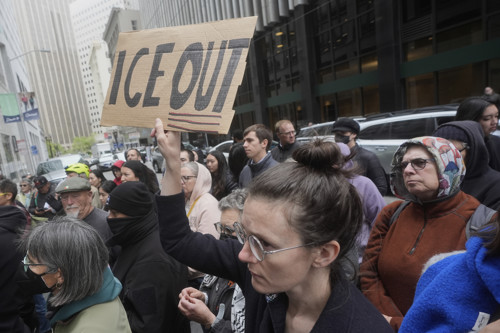 Originally, if a background check revealed an immigration warrant that was later confirmed valid, officers had to hold individuals for 30 minutes to allow ICE time to take custody. Under the new ordinance, officers no longer have to comply to the 30-minute window and can release individuals after the original issue is delt with.
Senate Bill 4, signed into law by Gov. Greg Abbott in 2017, requires local government entities and law enforcement officials to comply with federal immigration laws and detainer requests and creates criminal penalties for entities that do not enforce the law.
Ira Mehlman, the media director for the Federation for American Immigration Reform (FAIR), says it's a dangerous move for Houston.
"This is pure politics and has nothing to do with public safety. Public safety is endangered when local police arrest somebody who could be deported and refused to turn that individual over to ICE to be removed from the country,” Mehlman says.

He speaks on the threat posed when these people are back out on the streets.
“There is a probability that they're going to reoffend, and that the next time they arrest somebody, it may be for some much, much worse crime, and somebody else will have paid the price," Mehlman states.
Houston Public Media reports Mayor John Whitmire's support for the measure blew up his relationship with staunch ally, the Houston Police Officers' Union. The group will not endorse him for a second term, according to its president.
Mehlman talks about what could come next.
"We've seen in other communities around the country where you have policies where they obstruct the enforcement, ICE enforcement, that ICE has shown up in greater force,” Mehlman says.
He points to the most obvious example, Minneapolis.
“And also, there's going to be a confrontation with state authorities. The state of Texas has made it very clear that they intend to cooperate in the enforcement of immigration laws," Mehlman states.