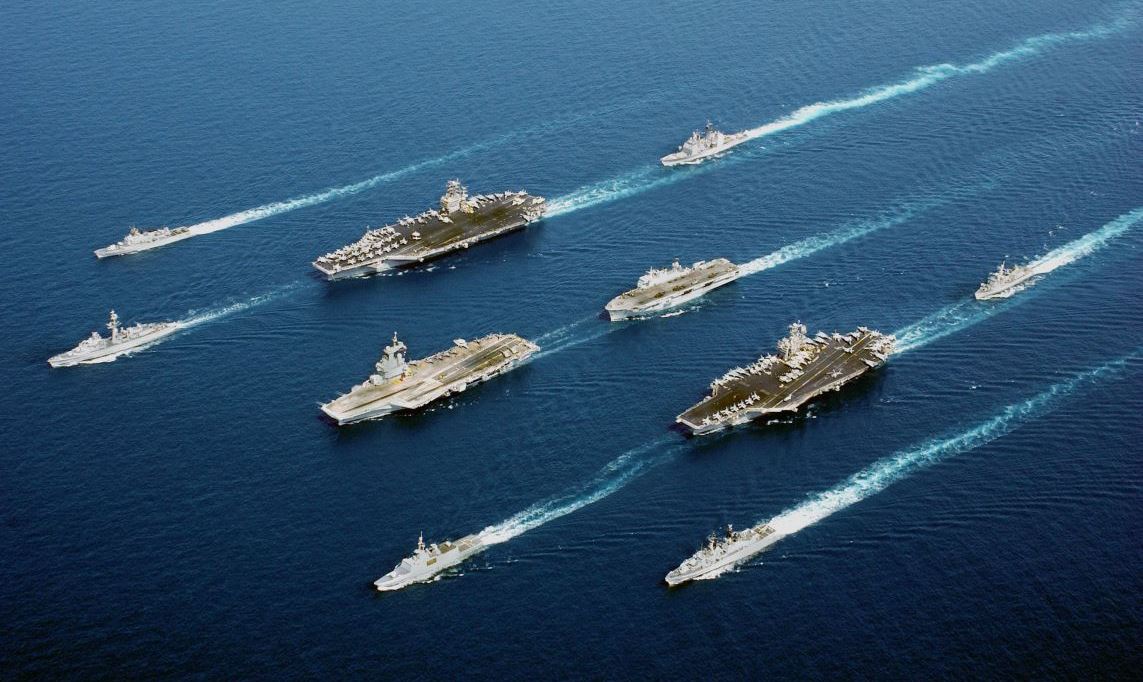


President Donald Trump has announced that 1,500 members of the Army's elite 82nd Airborne Division will be sent to the Middle East in the coming days. These troops will join two Marine Expeditionary Units that are being dispatched to the warzone.
Is this presidential posturing or more?
"This is about sending a message, I think, in the middle of trying to negotiate that 15-point plan that was talked about, throwing into the mix the possibility of a rapid ground action,” Robert Maginnis, a retired U.S. Army colonel, told AFN. “Now, would that be seizing airfields, key terrain like Karg Island? Just exactly what is not clear.”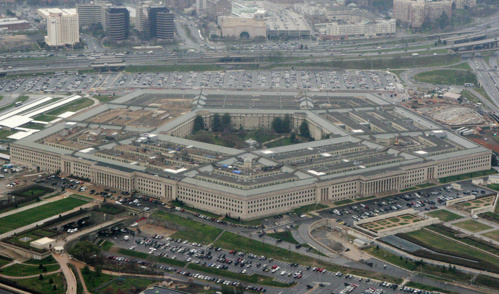
Perhaps it's seizing the east coast of the Persian Gulf near the Strait of Hormuz so that it can be secured. "
Maginnis says recent developments underscore a dual-track U.S. approach: on one hand, Trump is signaling openness to a negotiated settlement through a reported multi-point proposal; on the other, Washington is rapidly reinforcing its military posture.
"That's why Trump is alerting the 82nd and building up ground forces in the vicinity so that in the event that this doesn't materialize, then he's going to force a solution such as securing both sides of the Strait of Hormuz so that energy can flow. And then, of course, he may take over the economic lifeline of the Iranian regime in Karg Island.”
If that happens, the U.S. is basically taking over Iran in the way it did Venezuela, Maginnis said.
“We're controlling what they sell and what they don't, in other words, indirectly their entire economy.”

It appears the battlefield is expanding with focus on the Strait of Hormuz.
Diplomacy appears at an impasse.
“This combination of military buildup and uncertain diplomacy creates a volatile environment where miscalculation is increasingly likely,” Maginnis said.
The Trump administration has repeatedly scoffed at words like quagmire or the idea that it could be forced to remain in the region indefinitely.
“The implications are significant. First, the conflict is evolving into a prolonged contest of endurance rather than a short, decisive campaign. Second, the economic dimension — particularly energy disruption — has transformed this into a global crisis affecting markets, supply chains, and allied stability. Third, the absence of a clearly articulated end state raises the risk that tactical success could give way to strategic drift, drawing the United States deeper into a conflict with no defined endpoint.