

The core elements of the original 28-point proposal were reportedly developed through secret negotiations between U.S. and Russian officials, including Special Envoy Steve Witkoff and Kremlin representative Kirill Dmitriev.
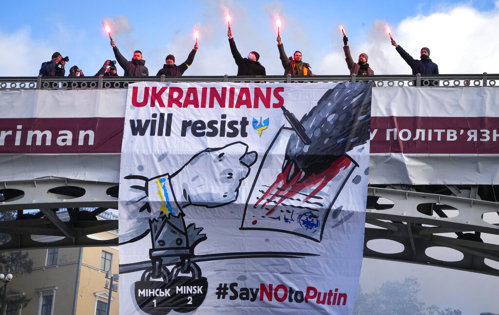 The proposal was criticized for its perceived favoritism toward Vladimir Putin and Russian demands, Axios reported. It included a 20% reduction in Ukrainian-controlled territory. Ukrainian forces would withdraw from parts of Donetsk to create a demilitarized buffer zone recognized as Russian.
In addition, Ukraine’s armed forces would be limited to 600,000 personnel, down from an estimated 800,000-880,000, Intellinews reported. Ukraine would also enshrine in its constitution that it will not join NATO, and NATO would formally exclude Ukraine from future membership.
The U.S. would provide security assurances, including a "decisive coordinated military response" and reinstatement of sanctions if Russia invades Ukraine again, though the plan does not obligate direct U.S. or NATO military intervention.
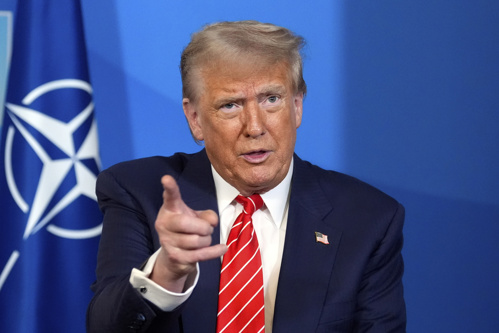 The proposal has now changed.
“It doesn't seem any more like these are Putin's talking points, that it does sound more like this is a true way forward to see success for the end of the war, but also for U.S. and Ukrainian and European objectives,” retired Air Force Gen. John Teichert said on Washington Watch Monday.
When the dust settles, Putin cannot be rewarded for starting a war, Teichert told show host Jody Hice.
“Russia started this war, it's Russia that has sustained this war, and the only one that can make it stop is Putin, and we've got to make it sufficiently painful for him so that he stops the war that's been going on for the last four years,” Teichert said.
A different course of action
The backlash appears to have forced a rebalancing: the U.S. recalibrated the plan in Geneva to make it more acceptable to Kyiv and Europe.
The U.S. has acknowledged it is making "some changes" to the proposal following discussions with Ukraine.
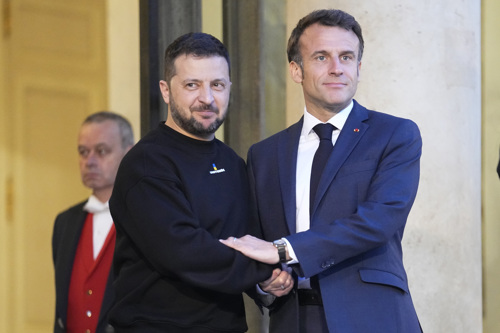 In response, Britain, France, and Germany have drafted a European counter-proposal -- also 28 points -- that includes suggested revisions and deletions, aiming to better support Ukraine’s sovereignty and security, Axios reported.
The Guardian cited its sources Tuesday morning saying Ukraine has made significant changes to the U.S. peace plan. Some Russian demands were removed altogether.
As the proposal comes together, Ukraine President Volodymyr Zelenskyy could meet President Donald Trump in the White House later this week.
European leaders – pushed by Zelenskyy to become more involved in talks – have warned that no deal will be reached quickly, The Guardian reported.
 Their countries, many of which are holding Russian sovereign assets frozen in their jurisdictions, have a direct stake in how those funds are used. They don’t want to simply hand them back to Moscow, The Washington Post reported.
Any deal, when finalized, will revolve around three critical elements: economy, geography and security, Teichert said.
Ultimately, security guarantees for Ukraine will determine success or failure.
“We've got to assume that Russia and Putin are going to lie and are going to cheat, and unless we have ironclad security guarantees, then it just sets us up for the further phase of this conflict down the road,” Teichert said.
 The revised plan is “a lot heftier on U.S. and European security guarantees” to hedge against the believe that Putin won’t operate in good faith, Teichert said.
But while plans are changed, tones strengthened or lightened, the question remains: What will Russia do?
Late last week, Putin said the original U.S. plan “could form the basis for a final peace settlement,” EuroNews reported, but went on to note the “text has not been discussed with us in any substantive way.”
Whatever plan emerges from the meetings and talks of multiple nations doesn’t leave Teichert with much hope that the one man who can stop the war will be swayed.
“Putin really has this vision in his mind of taking over the totality of Ukraine,” he said.
The importance of sanctions
Convincing Russia to stop launching bombs may be done best by withholding its dollars.
Last week the European Union (EU) imposed sanctions targeting another 10 individuals, high-level officials within the penitentiary service, members of the judiciary and more. The move was an extension of the package of sanctions the EU announced in late October.

Instead, the new diplomatic effort does to things.
“No. 1, it puts the ball back in Putin's court to demonstrate that he never has been negotiating in good faith to begin with. No. 2, I think it gives time for these recently implemented sanctions to start taking hold,” Teichert said.
“I actually think that the strictness of those sanctions from a couple of weeks ago, that impact up to 50% of the revenue that comes into the Kremlin, is the best way to up the ante of pain for Putin so he realizes that the costs and risks are not worth continuing this war,” he said.