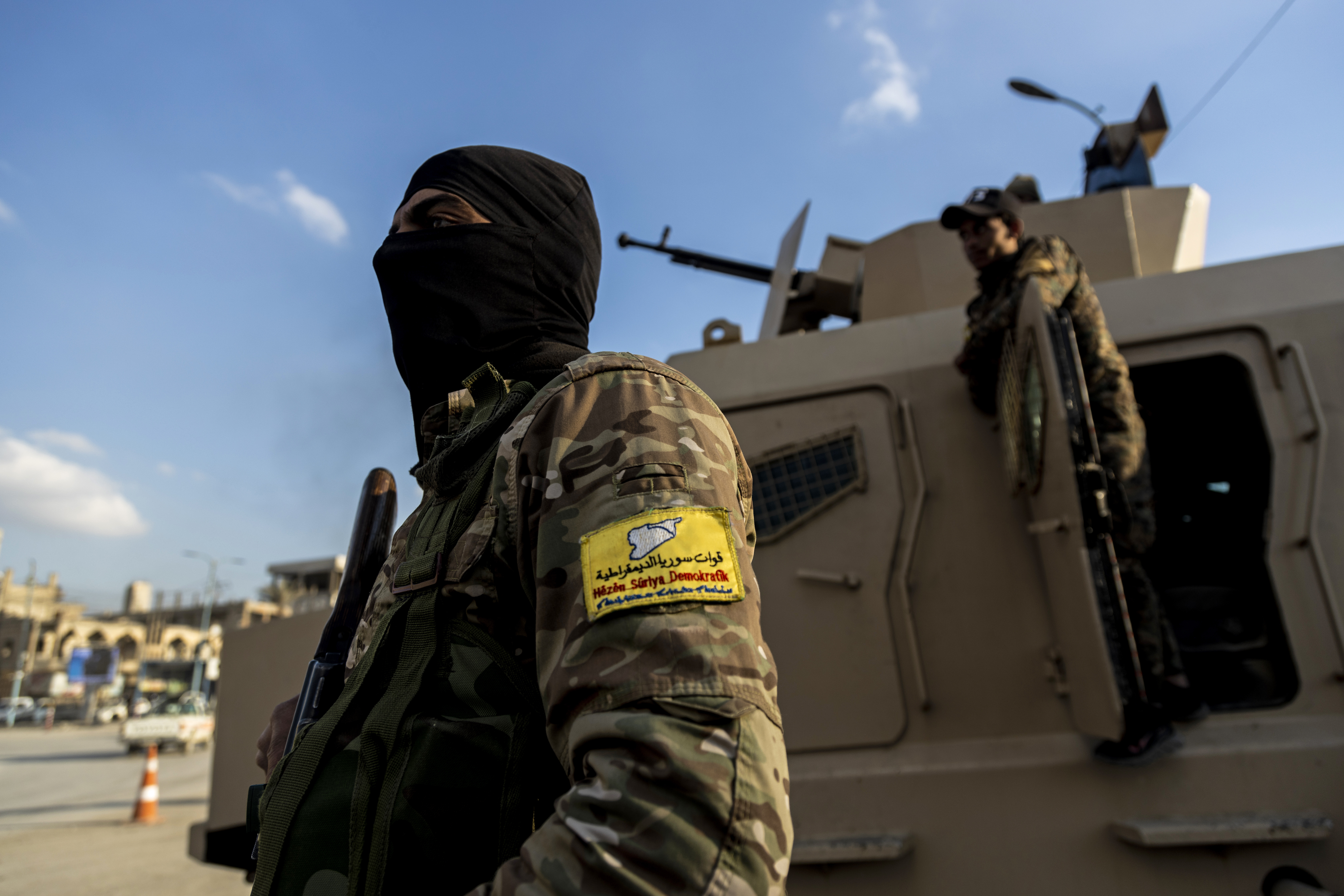


Some believe that the Iranian populace should have risen against their own government independently, without U.S. intervention. Still, there are others — the growing number of Americans who contend that this conflict is one that belongs to Israel.
Considering the latter, American Family News spoke to Yoram Ettinger, a retired Israeli ambassador and former Minister for Congressional Affairs at Israel’s Embassy in Washington, D.C. He asserts that “there are quite a few significant threats to the U.S. that are clearly independent of Israel and cannot be ignored by experts and pundits.”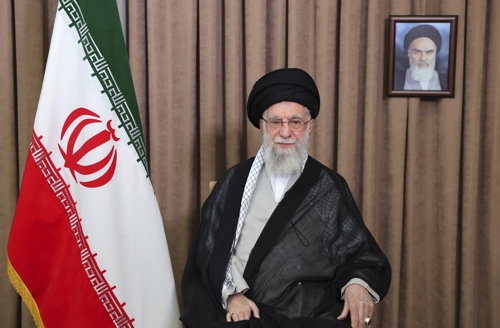
Ettinger argues, “the Ayatollah regime is driven by an ideology that is both anti-U.S. and anti-Sunni, which goes beyond mere business considerations, financial reasoning, and diplomatic negotiations in the Middle East, regardless of whether the U.S. even involves a strategic ally like Israel or not in these matters.”
He explains, “The Ayatollah regime is fueled by a 1,400-year-old, fanatical, apocalyptic ideology against the United States, which is reinforced by the Ayatollah's constitution, school curriculum, and sermons delivered in mosques, all of which call for the subjugation of "The Great American Satan."
Additionally, Ettinger notes that "no matter what Israel's policies and relationships with the U.S. may be, the Ayatollah regime has established a strong presence in Latin America since 1980, which it views as 'the soft underbelly' of the United States."
“The Ayatollah regime also partners with various anti-U.S. governments and drug cartels in Mexico and Colombia, enhancing their infiltration into the United States by providing equipment for building underground tunnels, for example,” he pointed out. “It has also set up terrorist training camps in the tri-border regions of Argentina, Paraguay, and Brazil, as well as in Chile, Bolivia, and Peru.” And according to Ettinger, “These regions have turned into bastions for the Ayatollah regime and Hezbollah, raking in billions of dollars through drug and arms smuggling as well as money laundering.”
The Imperative for regime change
In 2026, Ettinger contends, the United States has a chance to rectify the flawed policy from 1978-79 by dismantling the Ayatollah regime.

“This action is crucial for strengthening the U.S.’s deterrent capabilities, limiting the influence of China, Russia, Turkey, and anti-U.S. Sunni and Shiite Islamic terrorism, reinforcing the Monroe Doctrine, alleviating pressure on pro-U.S. Arab regimes, and preventing or reducing wars and terrorism,” he explains. Additionally, it would aid in expanding the Abraham Accords and enhancing national and homeland security.
Most critically, he emphasizes, “Failing to seize this opportunity for regime change would strengthen the strategic position of the U.S.’s rivals and adversaries, potentially leading to the emergence of the first apocalyptic nuclear power, resulting in catastrophic consequences for humanity.”
Insights from U.S. Intelligence Reports
Ettinger adds that the 2026 Annual Threat Assessment from the U.S. Intelligence Community reflects his views. For instance, the report states, “Iran has proven capable of developing lethal operations against Americans at home and abroad and probably will attempt to pursue such efforts again if the current government remains in power and is able to rebuild.”
Furthermore, it indicates, “China, Russia, and Iran [Ettinger’s emphasis] are seeking to sustain economic, political, and military engagement with Latin America that may conflict with U.S. interests in the region.” In line with this, the report notes that "selective cooperation among China, Russia, Iran, and North Korea, driven by the common goal of balancing U.S. efforts and actions and supporting their own strategies, is bolstering the threat that each of them poses to the U.S.”
Similarly, according to the West Point Center for Combatting Terrorism, “Iran sees terrorism as an extension of foreign policy — an asymmetric means of reaching its adversaries beyond its borders despite their military superiority.” Ettinger elaborates, “the primary pathways available to Iran involve utilizing Iranian operatives, criminal intermediaries, terrorist proxies, or actively attempting to motivate lone wolf attacks within the U.S.”
In the last five years, U.S. officials have thwarted at least 17 plots originating from Iran, which included both Iranian agents and terrorist or criminal proxies.