

The study surveyed students at Northwestern University and the University of Michigan.
The faking is to succeed either academically or socially, according to Campus Reform.
The study was done by researchers at Northwestern University.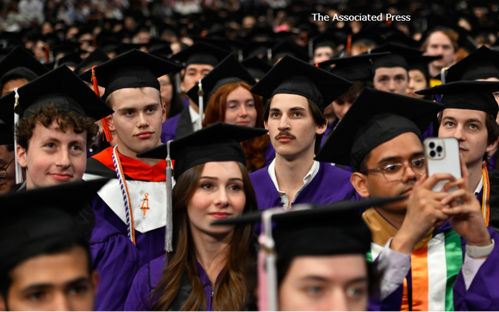
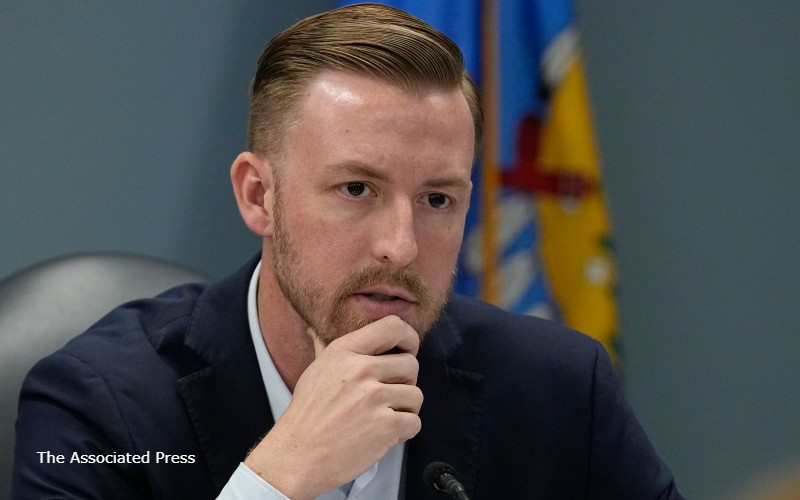
(Top photo: University of Michigan President Santa Ono prepares to throw t-shirts to students at a football game. Right photo: Northwestern University graduation 2024.)
The report says the group conducted nearly 1,500 private interviews with undergrad students at both institutions to gather these findings.
Jonathan Butcher is acting director of the Heritage Foundation's Center for Education Policy.
"So, this is no surprise. There have been surveys of students in higher education going back a decade, at least, that showed that conservative students in particular are fearful of sharing their views on campus because they're afraid of what either other students or professors may think of them. "
While he said conservative students in particular are fearful of sharing their full opinion, it is not just them.
Perhaps it’s an unintended consequence, but the reality is that putting handcuffs on one viewpoint diminishes other viewpoints as well.
“In fact, it's all students. In fact, surveys find that all students on campus are more reserved about what they say in class or publicly because they're fearful of what other people may think of them or how their opinions may be treated. That really shows a sad state of the condition of free speech on college campuses."
Butcher explained two ways he thinks this can be resolved.

“I think one is going to come from the actual administration of a college that they can promote free speech on campus by saying anyone lawfully present on a public college campus has the right to listen and be heard there. They can also adopt the kinds of orientation programs for students that explain to them what free speech means and what constitutes protected expression and what does not."
He suggested they could invite a variety of speakers to campus with divergent views, something he said he thinks is missing today.
"They tend to all follow the same sort of ideological profile of being on the Left. When it comes to students, I think that they should find like-minded colleagues, right? There are Republican groups on campus. There are conservative groups on campus, religious groups on campus. By the same token there are liberal groups and left of center groups.”
That safety in numbers allows students to feel comfort amid shared values, but discussion in those groups can also help sharpen and refine opinions.
“I think that will help them feel like when they get into a classroom or when they get into a situation where they can ask questions of an invited speaker, for example, that they know that there are others on campus who do think like they do and can create a sense of community. The administration should help to foster this kind of community building."