



Reacting to the news last week Raúl Castro has been indicted by the U.S. government, journalist Yoe Suarez told “Washington Watch” the Cuban people were surprised at that news, and they wholeheartedly support it.
“They feel that justice is on the way,” Suarez said.
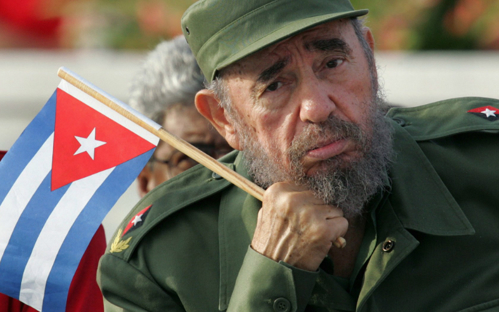
Raúl Castro, 94, a brother of the late Fidel Castro, ruled Cuba after Fidel stepped down from power in 2008 before passing away in 2016.
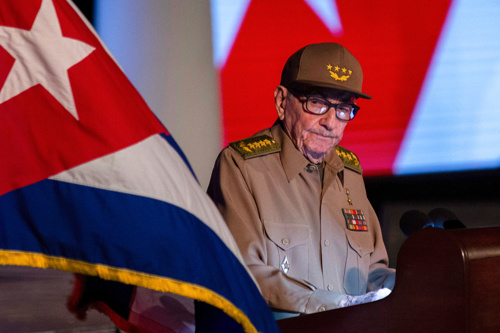 Even though Raúl has similarly stepped aside, too, Suarez said the surviving Castro brother remains in charge of the government despite his frailty and his age.
“The president, nominally, is Miguel Diaz-Canel, but he's just a puppet,” Suarez advised. “The real man, with the real power in Cuba, is still Raúl Castro.”
In the surprise indictment, the U.S. Justice Department announced Raul Castro has been charged with four counts of murder and related charges over the 1996 incident that killed four members of the Cuban exile group “Brothers to the Rescue.”
While they were searching the Straits of Florida for Cubans fleeing the island, a plane flown by the four men was shot down by Cuban MiG fighter jets in international waters between Cuba and Florida.
Raúl Castro was Cuba’s defense minister at the time the civilian aircraft was targeted and knocked out of the sky.
Before the DOJ unsealed the Castro indictment, Suarez pointed out, the Cuban government had already gotten a surprise visit by none other than John Ratcliffe, the current CIA director.
Despite that high-stakes meeting, neither side kept Ratcliffe's visit a secret or attempted to.
Instead, a CIA spokesman said the CIA director visited Havana to “personally deliver President Trump’s message that the United States is prepared to seriously engage on economic and security issues, but only if Cuba makes fundamental changes."
 In its official reply, the Cuban government said the U.S. and Cuba met to discuss “complex bilateral relations.”
That unusual visit to Havana from the CIA director occurred May 14, just six days before the DOJ announced the charges against Castro and five other co-defendants.
Asked about how the Cuban government reacted to the indictment, Suarez said the government is telling its citizens the allegations are part of a U.S. “propaganda campaign” and the incident never happened.
The big problem with that Communist propaganda, Suarez explained, is modern-day Cubans aren’t persuaded by those lies anymore. That’s because they have access to social media, especially Facebook, that is not censored by the Cuban government.
“People are very well informed,” he advised. “Better informed right now of what is happening than maybe my grandparents or even my parents.”
Suarez himself is an eyewitness to Cuba's thuggish censorship. Before fleeing the regime, his attempts to document and write about human rights abuses made him and his family a frequent target of Cuban State Security.