



A lengthy investigation of nine major banks fell to the Office of Comptroller of the Currency, or OCC, a bureau within the U.S. Treasury Department. Its final report, released Oct. 14, confirmed that numerous bank executives used their “reputational risk” policy to cut off their unwanted customers. That practice is known as a “customer exit” in the industry.
The banks mentioned in the OCC report are JPMorgan Chase, Bank of America, Citibank, Wells Fargo, U.S. Bank, Capital One, PNC Bank, TD Bank, and BMO Bank.
OCC said it reviewed more than 400,000 pages of documents related to debanking activities from 2020 to 2025, which fell mostly during the Biden administration.
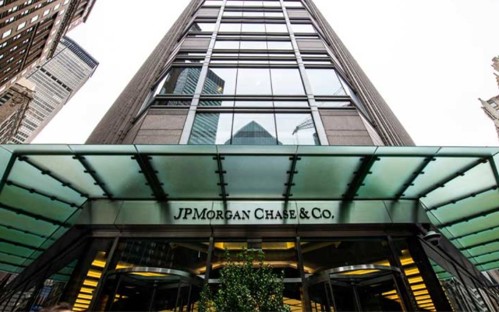 Among the OCC’s findings, JPMorgan allowed its “WePay” online payment system to flag commercial accounts for phrases such as “MAGA” and “America First.” Those accounts were shut down.
A second JPMorgan customer, an unnamed nonprofit group, was cut off from WePay for its “strong anti LGBTQ rhetoric.”
Among U.S.-based banks, JPMorgan is the most powerful financial institution in the nation, with $3 trillion in assets and 85 million customers.
In another example, Wells Fargo reached out to a commercial customer, a payment processor, over a nonprofit that uses its services for donations. Wells Fargo forced the payment processor to cut off the nonprofit for its views on same-sex marriage, the OCC found.
The OCC investigation came after President Trump signed an executive order, “Guaranteeing Fair Access to Banking for All Americans,” which dates back to August 2025.
A related CNBC story said the OCC uncovered debanking policies that affected firearms sales, fossil fuels, private prisons, tobacco, and cryptocurrency. The decision to maintain those accounts depended heavily on the political climate, the report said.
Quena Gonzalez, senior director of governmental affairs at the Family Research Council, told “Washington Watch” it’s troubling to know a bank can close your account based on political views or political merchandise.
“It’s hard to think of anything more troubling than the idea that your bank might be spying on you,” Gonzalez said.

One “unanswered question” in the OCC report, Gonzalez stressed, is whether the banks coordinated with each other and if they took orders from the Biden administration.
“We know that, during Covid, the Biden administration intervened directly with some broadcasters and online streaming services, like YouTube, to suggest specific videos that should be taken down,” he pointed out.
On Capitol Hill, where Gonzalez once worked as a staffer, he said the House Financial Services Committee, and the Senate Banking Committee, should investigate and dig further into what the OCC has uncovered so far.
“This report really just scratched the surface,” he said.