

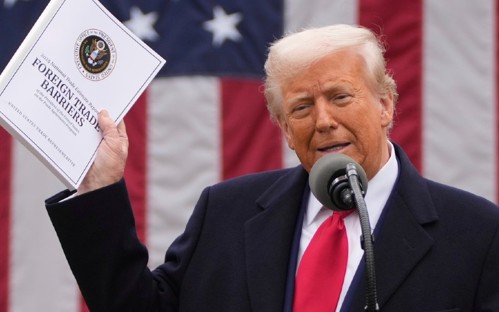
A proclamation from the White House, signed by President Trump this week, praises the “hardworking farmers, ranchers, and growers” who “nurtured our Nation’s abundant resources” since the country’s founding 250 years ago.
Even though the word “tariff” isn’t mentioned in the proclamation, the third paragraph comes close. It states President Trump delivered over $40 billion in assistance to farmers after they endured “years of unfair trade practices” from foreign countries.
That statement is both a reference to Trump’s effort to improve the U.S. trade deficit with trading partners, such as China, and to emergency aid from the U.S. Department of Agriculture that went to farmers who were affected by Trump’s punitive trade deals.
 One of those aid packages is the Farmer Bridge Assistance Program, announced by USDA in December 2025. It provides one-time payments to farmers impacted by what the USDA called trade market disruptions and increased costs.
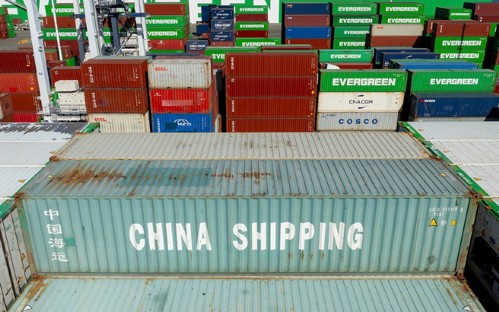
Two months before that USDA announcement, an AFN story described soybean farmers who were alarmed after China, retaliating against Trump’s tariffs, completely cut off soybean imports from the U.S. in September of that year.
At the same time, the national Democratic Party predictably took advantage of what it called "Trump's trade war" in the fall of 2025. A seven-minute video, posted to YouTube, described farm bankruptcies skyrocketing and shared clips of farmers who said they were being hurt by China's retaliation. China's pivot to importing soybeans from Brazil was a topic of concern.
China, the biggest importer of U.S.-produced soybeans and other agriculture-related commodities, had previously fought tariffs during President Trump’s first term, too. That trade war, back in 2017, hurt soybean farmers in the Midwest and commercial fishermen in Alaska after China predictably retaliated with its own tariffs.
China's own tariffs impacted pork, soybeans, dairy products, and nuts, resulting in that first-term trade war hurting farmers the most.
The comment to AFN last year about soybean exports came from Steve Martin, an agricultural economist for the Mississippi State Extension Service.
 Reached for comment this week, the economist described more promising news of U.S. exports reaching China.
“While the potential for reduced exports due to tariff retaliation is still a possibility,” he told AFN, “currently soybean exports are moving well through national and international markets."
For this story, AFN sought comment from the White House over Trump welcoming farmers this week after they struggled during a trade war over imports and tariffs.
“American farmers were actively harmed for decades by unfair trade practices that boxed American corn, soy, wheat, poultry, and beef out of foreign markets – practices that President Trump has used tariffs to put an end to with nearly a dozen-and-a-half trade deals thanks to tariffs,” Kush Desai, a White House spokesman, told AFN.
Addressing the difficulty for farmers, Desai said the Trump administration has also “rolled out a series of policies to help farmers bridge the gap to long-term prosperity created by new market access to billions of new customers.”